🎶 ‘This is me’ – A loyalist is who I’m meant to be 🎶

I’m a loyalist, and proud to be so.

No, not the kind that wears an orange sash and marches on the 12th July.

The enneagram type 6 kind.

Don’t know what I’m talking about? Let me say, if you’re interested in personal growth, and you haven’t done the eannegram yet, you’re missing out!
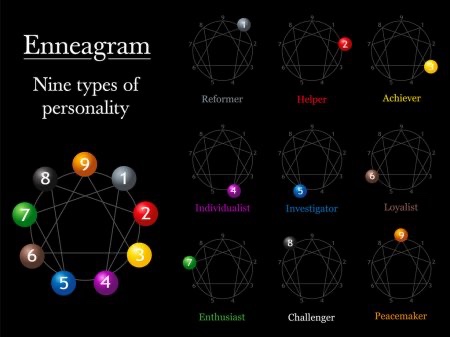
The eannegram is a model that gives insight into the vulnerabilities of each type of personality. The idea is that once a person understands their core motivations, they can take full advantage of opportunities for growth.

Here’s the nine types – I’d be interested to hear which one most resonates with you!

Ones are motivated by integrity and most fear corruption.

Twos are motivated by love and are afraid of being unlovable.

Threes are motivated by success and worry about having no inherent value.

Fours desire significance and identity and fear having no unique purpose.

Fives desire knowledge and ability and fear being incompetent.

Sixes crave security and belonging and are afraid of losing support.

Sevens desire happiness and are concerned about being trapped or in pain.

Eights want to be in control of their own life, and hate the idea of being controlled by others.

Nines are motivated by being at peace, and most fear disconnection.

The enneagram is a really insightful tool for working on your weak points. Someone said to me lately, though, that I have a tendency to dwell on the negative side of my personality. The worrying, cautious, indecisive side. The side that overthinks. The side that constantly interrogates whether I am managing everything in my life well enough or not.

They were right, of course.

But not today!
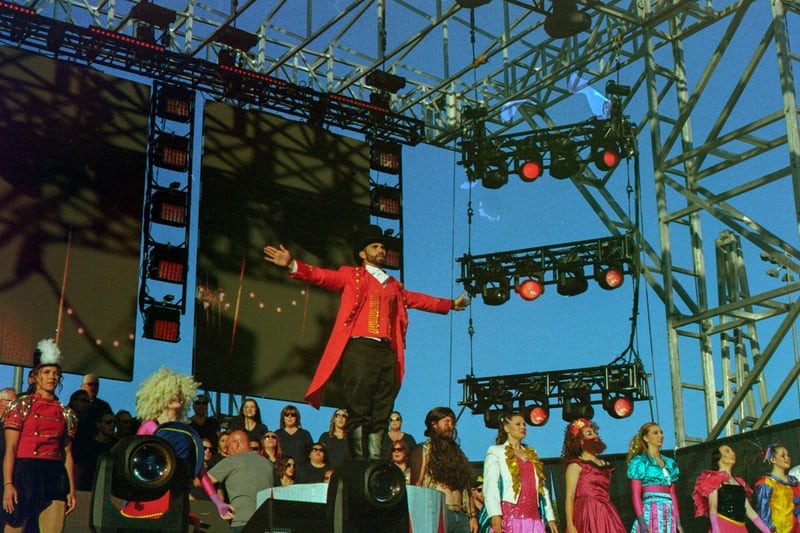
Many of you will know well that powerful scene in the Greatest Showman, where the bearded lady realises that – despite her oddities and flaws – she is who she’s meant to be. I love this line in particular:

‘I’m not scared to be seen, I make no apologies, this is me.’

Have you ever considered that what you give yourself a hard time for each day could actually be the key to understanding the unique contribution you make to the world?We should never be afraid to acknowledge our imperfections, but neither should we shy away from recognising our strengths.

Because ‘Loyalists’ (type sixes) may be cautious, skeptical and crave security – but they are also cooperative, reliable, responsible and trustworthy.

Loyalists may need more affirmation and reassurance than most, but they are also unswervingly loyal and committed to their beliefs. They’ll hold on to relationships far longer than most people and have deep and meaningful friendships. They will defend their loved ones even more tenaciously than they would defend themselves. And that’s something to celebrate!
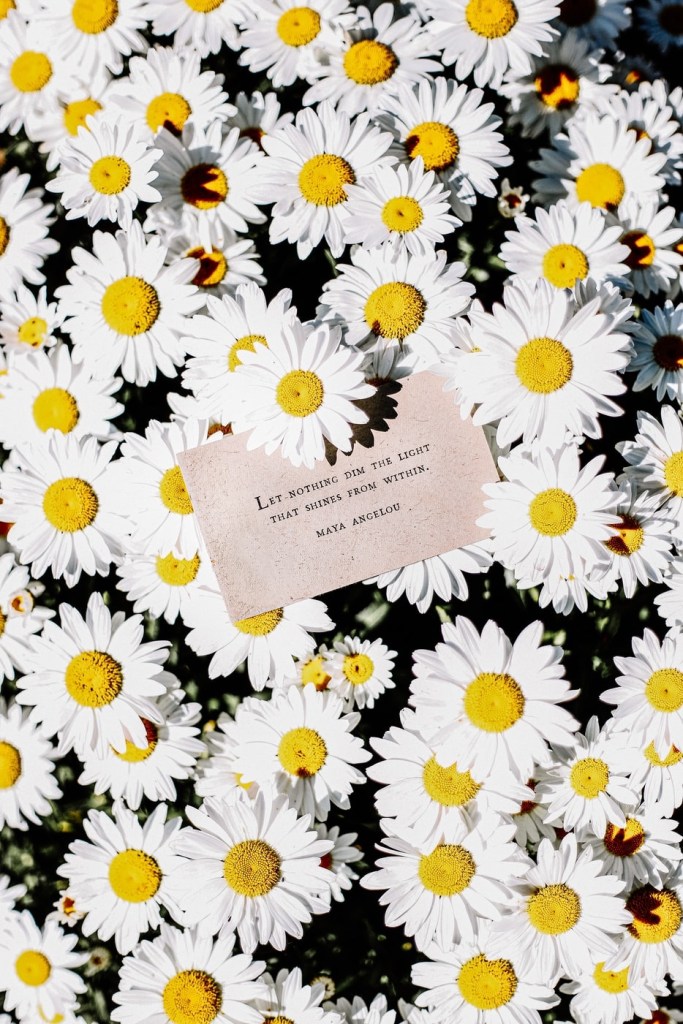
So, here are some ‘this is me’ statements I’m making today:

🌱 I might be terrible at noticing dust on surfaces, or following road directions correctly – but I’ll listen well beyond your words to your heart. I’ll also stick with you the whole journey – whether that involves watching a beautiful sunset together or being stuck in a ditch waiting for help.

🌱 I might not be able to watch sad films and cry at the drop of a hat, but I’ll weep with you when you’re sad and empathise deeply with your pain.

🌱 I might be easily hurt by criticism, but that also means I’ll never let anyone run down my friends and will take every opportunity to defend and champion them.

🌱 I might tend to envisage the worst case case scenario, but this means I can visualize pitfalls in my head before they happen – preventing many of them in the process.

🌱 I might forget to pass on important news items I’m supposed to, but at least you know I’ll never pass on the confidential information you trust me with!

🌱 I might be a bit scatty when it comes to remembering practical details, but I’m pretty sharp when it comes to digesting complex ideas and abstract concepts.

Maybe it’s time for you to have a ‘this is me’ day!

Every personality type has strengths and weaknesses, but instead of being your own worst critic – why not for once celebrate all the things about you that bring extra colour and beauty to the world?
For most of us, this won’t be self indulgence or an unnecessary ego boost, but actually just regaining a bit of balance.

Yes, it’s important not to think of yourself more highly than you ought. But it is also important, as someone made in God’s image and fashioned by His perfect hand, that you celebrate what he has made.

Write this down – or even say it out loud :

This is me:

I may be … but I am also …

I might do … but I also do …

I’m not great at … but I excel at …

Let’s get some balance back!

I’m a loyalist, and today I’m proud of it.

How about you?

H x
Waiting well: an ‘operation’ in emotional resilience

How do you wait when so much is on the line?

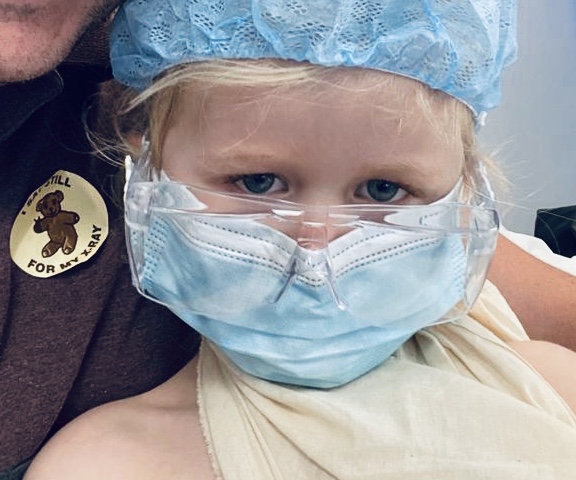
I’m writing this journal entry while my four year old is undergoing an operation for a fractured elbow. Because of COVID-19, I’m not allowed to be beside her. My mummy heart is hurting a lot right now.

So I’m waiting in the car park, glued to my phone for any news, while glancing intermittently at the world going by.

Then I receive a loving text that simply says, ‘children are so resilient, and I’m praying for resilience for mummy and daddy too.’

Resilience is the capacity to recover quickly from difficulties. And in reality I feel anything but resilient right now.

But resilience isn’t really about how you feel, is it? Resilience is about how you respond. It’s choosing to feel the feelings when they come and responding appropriately to those feelings.

But how does one wait well in a situation like this? I’m wondering this very thing, as the tears come in waves and trickle down my cheeks.

Here’s some thoughts that came to me through the tears:

1. Surrender control

In moments that test and stretch me – I choose to trust that my life is in greater hands, and release control accordingly. It is my faith that I’m being held in Heaven’s care that gives me the courage to endure the anxiety and fear. There is so much that I’m not in control over, but I trust a God who’s got this, and has got me. It’s up to me to hand it over to Him – again and again, if I need to.

2. Develop patience

There’s a lot to be said for learning to wait. There’s even more to be said for waiting patiently.

There’s also a reason why it’s important to teach delayed gratification early in life. Because learning to wait for gifts and treats in childhood translates in adulthood to patience in queues, patience with moving goalposts, patience when things don’t pan out like they are supposed to. Patience when tiredness causes frayed tempers and short fuses. Patience for the things you dream about and hope for. Someone once said that ‘Patience is not the ability to wait, but the ability to keep a good attitude while waiting.’ That, my friends, is a sign of resilience.

Patience is something we will always need more of than we have. We need to commit to it on a lifelong basis.

3. Embrace comfort

Even though we can’t physically hug right now, we can all feel hugged by messages of love, special deliveries in the post, surprise visits and assurances of prayers. All these things provide comfort through presence. Being lifted up in prayer or thought of in a time of need by a friend is the feeling of being buoyed by others’ love and care.

Never underestimate the comfort your mere presence can bring. Company can speak a thousand times louder than mere condolences.

4. Use distraction

Everyone is different, but the worst thing for me when I’m waiting to hear news is to sit and do nothing. Pouring my frustration and worry into something productive is key. Even writing this has helped me ‘do something’ with my feelings. When we deliberately move our focus away from something we can’t do anything about to something concrete we can do- whether it be pray, write, create or exercise- we develop our ability to endure.

Don’t bounce back, move forward

Contrary to what a lot of people think, resilience isn’t about bouncing back to normal. The reality is that in this crisis and many others, the impact of adversity may be long lasting or even permanent.

Instead, I like to think of resilience more as growing and moving forward even in difficulty. In other words, your life is not altogether paused because of what you are experiencing, but there is evidence of growth and development even in the worst situations.

Because resilience not an inbuilt disposition, but a skill we can all develop and learn to be better at. From this day forward, I’m committing to continuing my operation or foray into resilience. How about you?

H x

Coming out of lockdown: the power of pressing pause

Over the last few months, life across the world has been paused to a great degree. Work furloughs, postponed holidays, rescheduled weddings and suspended surgical clinics have left everyone in a strange sense of limbo and uncertainty.

Now, as restrictions begin to ease all around, many of us are thinking about what things will be like when as a society we press ‘play’ again.

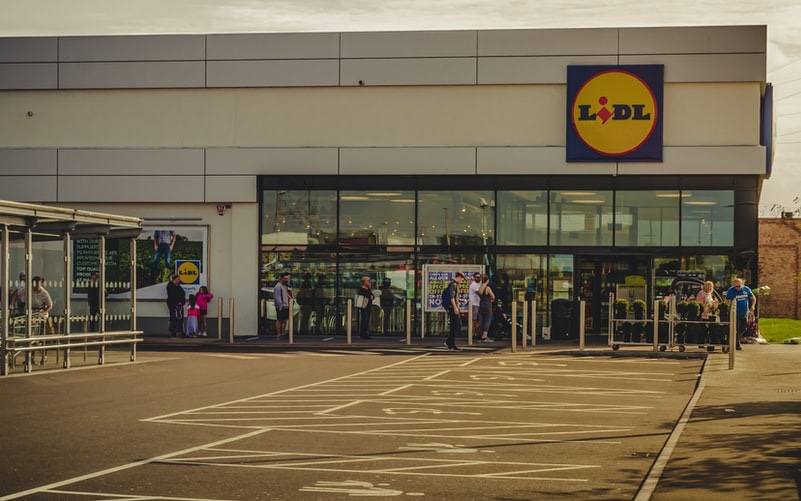
Queues outside Lidl, Connswater Belfast

• Some of us will remember how, pre-pandemic, we lived life in FAST-FORWARD

…I mean that perpetual push on to the ever-elusive something ‘better’ in the future.

🌱 ‘I’ll be content when I get that promotion.’

🌱 ‘I’ll be satisfied when I accomplish that self build in the country.’

🌱 ‘I’ll be happy when I have 2.4 kids and a people carrier.’

🌱 ‘I’ll enjoy life a lot more when I’m retired and travelling the world.’

Planning ahead can be profitable, but living too far in the future can be seriously detrimental. It disconnects you from your present self and stops you processing the here and now. Nobody knows what
things will be like next month, never mind next year. Try to stop your mind from time travelling, open the doors and take in the view in front of you.

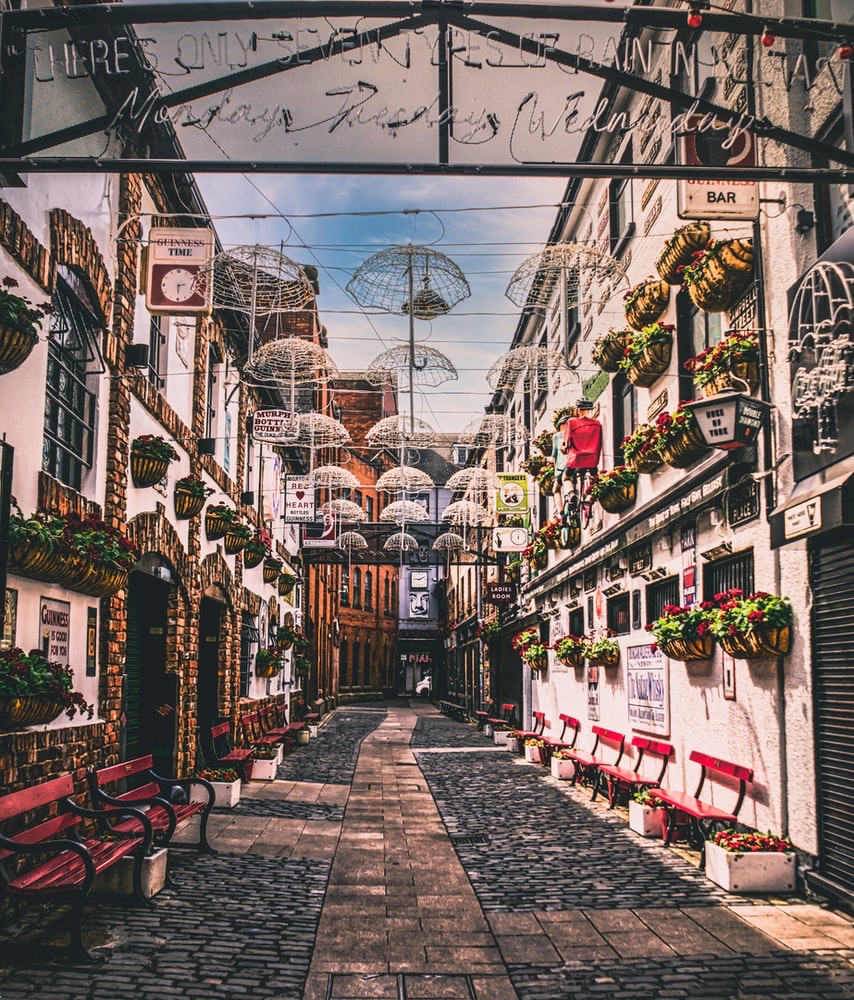
An uncharacteristically empty scene in the Cathedral quarter, Belfast

• Pre-COVID-19, some of us lived life on endless REPEAT…

…I mean replaying past events in your head and constantly mulling over the ‘what ifs?’ I mean re-runs of conversations had and opportunities missed.

🌱 ‘If only I hadn’t invested in that company.’

🌱 ‘Things might have worked out better if I had stayed at that church.’

🌱 ‘wish I had trained for a different career.’

🌱 ‘What if I had waited longer to have kids.’

🌱 ‘I should have invested in my marriage sooner.’

Making sense of our past is freeing, but living in it is destructive. You are not defined by your past. It is your story, but there’s always another chapter to pen, and more twists in the plot to discover. Turn to the next page, and start writing your dreams again.

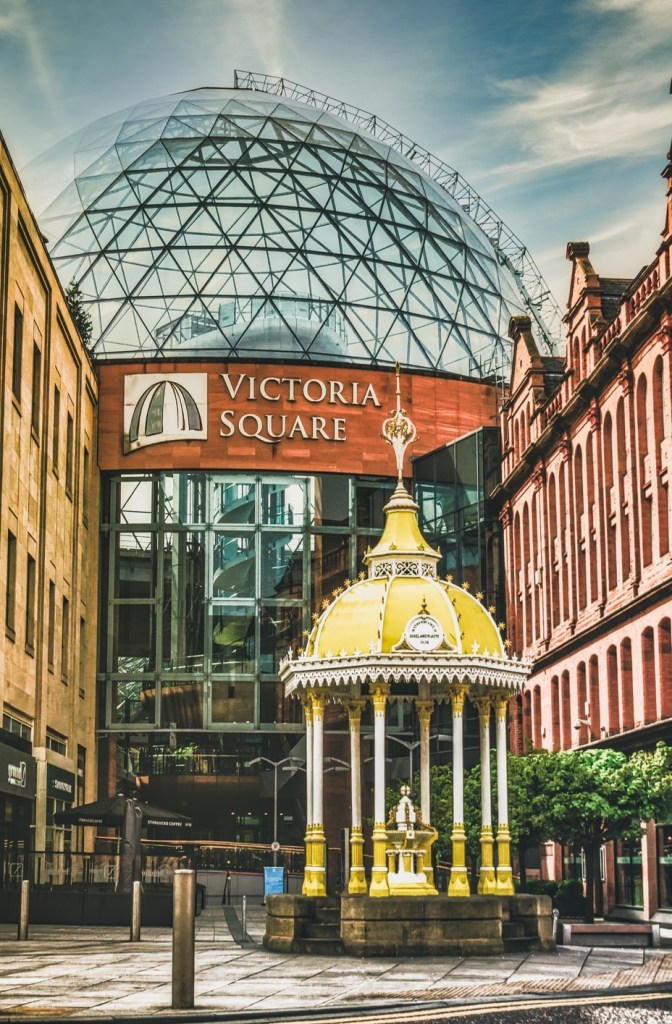
A deserted Victoria Square, Belfast

• Pre-Virus, how many of us were on PLAY 24-7?

… I mean you didn’t stop. You never switched off. You couldn’t unplug. You had a fear of missing out. You had an addiction to social media and answering emails; and a fear of being alone.

Everyone knows that this isn’t good for anyone. But it doesn’t stop us from doing what is bad for us. Constant connectivity might be socially beneficial, but it is emotionally draining.

Over the next few weeks, why not try letting your phone run out of charge once in a while and experience the freedom of disconnecting for a while?

I suppose one important question remains: as the new normal unfolds, will we remember the power of the PAUSE?

The pause is powerful because there comes a point where most, if not all of us, have found ourselves forced to STOP.

The pace of life we lived at before this pandemic was completely unsustainable. Yes, things now may feel completely out of our control. It’s a frightening place to be. But it’s also a place where we can take stock. Reflect. Determine to live a different way.

• It’s in this place that we learn the power of the PAUSE.

What does that look like? I don’t know how it will play out for you, but I can tell you what it looks like for me.

🌱 Pressing pause is when my little girl is laughing so hard she can hardly breathe; I screen-shot that moment in my mind and reflect on it, in all its joy, simplicity and wonder.

🌱 Pressing pause is when my worries threaten to spiral out of control, and I force myself to pause and ask ‘what can I find to be thankful for in this very moment? What blessing am I enjoying right now?’

🌱 Pressing pause is when I’m tempted to fast forward to when my house will be clean again; I make a mental note that right now I have a disorderly house with two loud and mischievous little girls, but in years to come It’ll be a whole lot cleaner and a whole lot quieter. What an important reminder for me to hold them tighter and laugh about the chaos!

🌱 Pressing pause is when I’m about to lose my temper and I count to ten, allow myself to breathe it out, and leave the room. This gives my brain time to recalibrate and choose a calmer way to communicate my frustration.

🌱 Pressing pause is when I’m tempted to buy something I really want, but I don’t, because I really don’t need it. In a week’s time, will I still want it? Probably not. Will my bank balance be better for it? Most definitely.

🌱 Pressing pause allows me to rest, to re-calibrate, to reflect on my priorities and make time and allowances for my special people.

The Bible has a word for this kind of pause. It’s a Hebrew word called ‘selah’- and it means something like ‘pause and calmly think about that.’

The art of Selah is a habit that takes effort to form. It’s still far from habitual for me!

But what if pressing pause allowed us to enjoy this wonderful, beautiful, crazy, painful, bewildering thing called life as we should?

Knowing that greater things are ahead, understanding that significant things are behind. But unwrapping the gift of the present with anticipation and wonder, revelling in what we are about to discover.

What does ‘selah’ look like for you?

H x

Lady Dixon Park, Belfast

What’s Behind You? Leaving marks that matter

One morning in our house, we all woke up on the wrong side of the bed. Or should I say, Eden was in the wrong bed, and Zoë got up at the wrong time.

Whatever the wrongness was exactly, it began a series of events that precipitated various trails of destruction.

The glitter episode was a major glitch in my day. Anyone who knows me knows that (unlike most people) I don’t mind a bit of glitter, provided its administration is closely supervised. My kids love it, and a dusting of sparkles never did anyone any harm.

But a deluge of glitter generously dumped onto the floor when my back is turned… combined with a meltdown of epic proportions when I dared to hoover up an apparently precious abstract masterpiece? That’s enough to make me lose my cool!

What pushed me over the edge, though, was a mud soup exercise gone wrong. I laid out in no uncertain terms that Zoë and Eden could stir the mud, add ingredients to the mud, but they could NOT get into the mud. That was the one precondition.

But the temptation was too great, and my fuse was too short.

My kids left a trail of destruction behind them that day. But I left behind my own path of impatient encounters, cross words and harsh attitudes. What they needed from me was an appropriate consequence, but what they got from me was untethered belligerence.

I made up my mind that the next day’s trail would be one of forgiveness, grace, fun and embrace instead.

Because truth is, at the end of each day we will either have left a pretty path for those we’ve encouraged, or a heavy load for those we’ve wounded.

You see, human hearts are like wet cement- how you treat them will leave a lasting impression – for good or for ill – on people’s lives.

I don’t know about you, but by the end of each day and the end of my days I do not want what is left behind to be:

💔Sticky sarcasm or cutting humour

💔Sharp shards of broken relationships

💔Spatters from shouting and mud slinging

💔Smears from hurt feelings and unfulfilled promises

‘Human hearts are like wet cement- how you treat them will leave a lasting impression’

Instead, I want my life’s trail to be:

❤️Breadcrumbs of kindness that people can follow to find their way home

❤️A sprinkling of sparkling, life -giving words that cause faces to glow and eyes to shine

❤️A channel of grace that draws people in to taste the measureless love of God for the very first time.

❤️I want to leave footprints of healing and hope, and tread the injustices I see into the ground.

‘Wherever we go, whatever we do, we will leave a trail behind us for the world to see.’

Tyler Knott Gregson

The question is, what will yours be?

H x

In times of disaster, look for the helpers

On the face of it, this week was a disaster for our family.

Our four-year-old fell off a see-saw on Sunday afternoon. The ominous crack and blood-curdling scream told me that something was definitely broken, which was confirmed soon after by x-ray as a smashed bone near her elbow. After an initial appointment at A & E, we were told to return the day after and wait for surgery.

The poor wee pet hadn’t eaten anything since the night before, but due to unforeseen circumstances it ended up that she had to wait all day before she was called to theatre. Because of COVID-19, only one of us could be with her. I had planned to relieve her dad of duty a couple of hours in, but we weren’t allowed to do this after all because of infection control.

Feeling helpless, I decided I would go and buy some food, but my car wouldn’t start. When Zoe finally did get her operation, it was much longer than planned, as was her recovery because the nurses were struggling to bring her round from the anaesthetic. When she eventually became conscious, she was pleading tearfully to go home, but because it was so late she needed to stay overnight.

Sounds like a series of unfortunate events, right?

Not really.

Not if you look a little closer.

Not if you look for the helpers.

After Zoe’s fall, when it became clear that her arm was in a bad way, a nurse from a neighbouring garden came over to help. She used her own scarf to make a sling and gave us advice on which hospital to go to. We found out later that lady had just buried her father that day. And yet she chose to intervene and use her expertise to help us. Wow.

And it didn’t stop there.

After that, I saw helpers everywhere.

Our thoughtful friend made sure that Eden was delivered safely to her grandparents, while we rushed Zoe to hospital. Eden’s granny and granda made sure that she was pampered and spoiled so much that she didn’t even have time to miss her big sister.

When we arrived at the fracture clinic, we bumped into our friend, who works as a children’s nurse. She set Zoe at ease and gave her stickers to make her smile.

On the ward, the nurses fussed over Zoe and made much of her. They let try on PPE for fun, gave her books to read and compared her hair to the blonde locks of Rapunzel. That went down pretty well, as you can imagine!

When my car wouldn’t start in the carpark, a kind gentleman came over and offered to help. We got talking and it turned out this same man had lost his beautiful wife and daughter only weeks ago, and his youngest girl had been fighting for her life in intensive care. Yet he saw a need and chose to offer his help. I was completely blown away.

I witnessed senior doctors changing nappies and nurses cuddling babies whose parents had to leave them each night to go home and look after their other children. I saw mothers lovingly carry children down corridors who were undergoing cancer treatment and were finding it difficult to walk.

Sitting on the floor outside the ward waiting for Zoe to come up from recovery, a nurse on her way out at the end of a long shift stopped, asked was I alright, brought me a chair to sit on and a cheese sandwich to eat.

Our phones didn’t stop all day with messages asking for updates and expressing offers of help and support. What an encouragement to know that so many people cared and were praying for us.

And when we got home, that’s when the knocks at the door and the deliveries began. A sling that made Zoe much more comfortable, a list of groceries bought, baked treats, homemade dinners, cards, and gifts.

I saw this quote that Links Counselling posted on Facebook yesterday, and it really does frame the last few days for me beautifully:

When I was a boy and I would see scary things in the news, my mother would say to me, “Look for the helpers. You will always find people who are helping.” To this day, especially in times of ‘disaster,’ I remember my mother’s words, and I am always comforted by realising that there are still so many helpers – so many caring people in this world.

Fred Rogers

We are blessed to know so many kind, thoughtful, loving and caring people. But this bump in the road has reminded me again that no matter how horrible, how terrible or how terrifying the situation in front of you, you can always look for the helpers.

If you do, you’ll see a different side to the story.

A side that fills you with hope and warms your heart.

A side that can make your soul sing again with gratitude, no matter how hard things get.

At this time in history, when there is so much darkness, injustice and uncertainty, it’s important not only to focus on acts of injustice, but also to appreciate simple acts of kindness. It’s crucial to remember those who are shining their lights and bringing hope to hopeless situations. It’s key that we don’t get so caught up in the dreariness that we miss the cheeriness. Because it’s in those moments that the beauty of the human spirit shines all the more. It’s during tough times that friendship shows its true strength. It’s through those tests of endurance that the bonds of family become ever tighter.

When disaster strikes, look for the helpers. And watch them light up the dark.

H x

The anxious parent: How to stop catastrophizing under stress

Eden is such a random wee article. She’s always been one to keep us guessing.

Yesterday, I caught her red-handed with a spoon and a jar of chocolate spread. Let’s just say that wasn’t much left to go round. I wasn’t really bothered- that’s normal kid behaviour right? I told her off, then smiled to myself when her head was turned.

But a few minutes later, I heard a loud gagging noise coming from the kitchen. I rushed in, only to find her with a blue tinged powdery substance all around her mouth.

Judging by the sounds she was making and the grotesque grimace on her face, she had eaten something that definitely did not taste as good as the Nutella.

True to form, my mind instantly went down the proverbial rabbit hole. Immediately the catastrophic thought came, ‘She’s swallowed a dishwasher tablet. I’m going to have to bring her to hospital. She’s poisoned herself.’

I forced myself to take deep breath, step back from the drama unfolding in my head, and deduce what had actually happened. 

‘Eden, what did you eat?’

Between the ‘bleurrrggghhhs’ I just about managed to make out a garbled – ‘salt.’- 

‘Show me.’

She pointed sheepishly, and sure enough, on the table, a bowl of blueberries were disintegrating beneath an enormous mountain of salt. Well, that explained the blue paste.

(Sigh of relief.) 

True, salt isn’t the best, but it’s better than corrosive chemicals. No hospital trip required today.

‘Eden, will you ever eat salt again?’

‘No,mummy.’

(I didn’t think so.)

Crisis averted. Until the next time.

I think most parents would panic a little in this situation. But I have to admit; I am a person who all too easily envisages the worst possible outcome. On a good day, I’m a measured troubleshooter. On a bad day, I’m an anxious catastrophizer.

“ca·​tas·​tro·​phize | \ kə-ˈta-strə-ˌfīz”

to imagine the worst possible outcome of an action or event to think about a situation or event as being a catastrophe or having a potentially catastrophic outcome

Experts think people like me unconsciously learn to envisage the worst possible outcome because it allows for the greatest relief of anxiety when we are reassured.
And boy, did I feel a sense of relief when I realised the dishwasher tablet in my mind was in fact just plain old salt.

To be fair, considering all possibilities in a stressful scenario is not a destructive thing if you can think through them logically. But if you continually allow your mind to wander around in a warren of uncertainties, you will waste a lot of time and energy meandering within a maze of potential futures. 

Here are four strategies I’ve been practising to beat this unhelpful anxious habit!

  1. Acknowledge uncertainty

It’s often in vague, ambiguous or uncertain situations that catastrophic thinking can take hold.

  • If you get a letter from the hospital asking you to return for more tests but giving no other information, that could spark excessive worry.
  • If a friend sends you a vague text like, ‘we need to talk,’ you could begin imagining all kinds of scenarios.
  • If you are thrust into a global pandemic, and you don’t know when it will be safe for normal life will resume, that uncertainty will be a huge source of stress. 

This might seem counterintuitive, but actually one of the best things to do is acknowledge the uncertainty before you.

2. Determine the facts

The key thing here, though, is to start with the facts of the situation, rather than the feelings the situation has generated.

e.g. Fact: We are in the midst of a pandemic, and we don’t know when, or if ever, we will resume a ‘normal’ way of life.

e.g. Feeling: I feel like this situation going on and on and it will never end. Everyone I love is in danger. I feel paralysed and helpless. It’s making me so stressed out!

Stick to the facts! And refuse to go any further with it until you… 

3. Take a deep breath (or ten!)

When you concentrate fully on breathing slowly, physiologically this will stop your thoughts in their tracks, slow your heart rate down, and stimulate your body’s parasympathetic (or calming) response.

Now you’ll be able to think more logically and realistically about the situation that is in front of you.

4. Take your ‘worry energy’ and invest it somewhere else 

Have you ever noticed that anxiety and excitement feel kind of similar? Both involve nervous energy, tummy butterflies, and sweaty palms. So instead of using that energy on negative thinking, why not gather it up into something positive and throw it into something productive. In other words, turn those jitters into jazz hands.

Paint, write, walk, play sport, do DIY or gardening- whatever will help to keep you grounded, use that energy creatively, and feed your soul at the same time.

So if you’re a ‘better safe than sorry’ kind of person, I hear you!

If you’re reading this and can’t identify with it at all, then so much the better.

But if at any point you find yourself feeling ‘sorry’ more often than you do ‘safe,’ it might be helpful to remember that:

  • Things often aren’t as bad as they first seem
  • We can control how we respond to stress, and
  • Most situations can be pivoted in some way towards the positive. 

When you’re hit with stress, will you choose to see the dishwasher tablet or the plain old salt first? I’m going for salt from now on!

H x

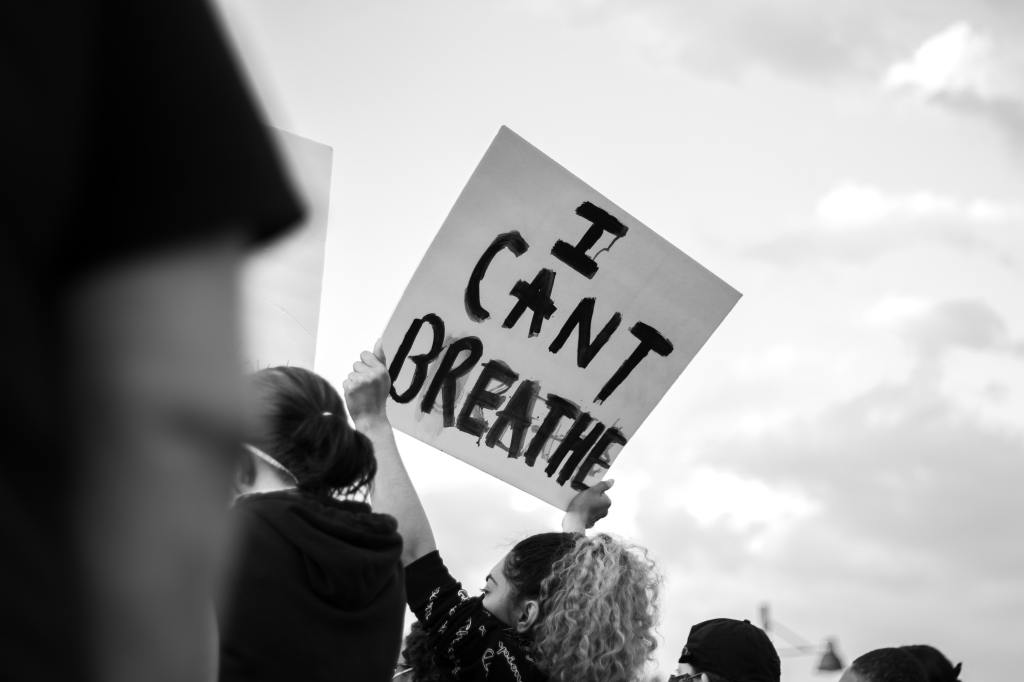
The death of George Floyd: Taking off the blindfold of privilege

The first time I ever heard the word ‘racism’ was when I was around seven years old, boarding full-time in an international school in Africa. I had an argument with a roommate who had left a wet towel on my bed, and they told me I was being mean to them because of the colour of their skin.  

I remember the feeling of utter confusion in that moment. What?! Why would anyone do that? What had skin colour got to do with anything?  

Sure, in the village I lived in we had always drawn attention because of being pale-skinned, but I always just assumed it was because we were different. Sure, we were in the minority, but we were singled out by way of curiosity, never contempt. The idea of treating someone as ‘less’ because of the colour of their skin was completely alien to me.  

My house parent had to explain what racism was to me that night. I vividly remember being genuinely horrified and tearful, and struggling to get to sleep.  

Most of us would be horrified if we were ever accused of being racist, wouldn’t we?  But in the last week or two on social media, there have been a lot of accusations flying around. I’ve seen a lot of people point out the lack of consistency in others – you’re ‘pro-life, but you’re not pro-black,’ ‘you’re not protesting about people on beaches in a pandemic but you’re enraged about street protests.’  

But what I haven’t seen much of is rage at the inconsistency in ourselves (and by ourselves, I mean me, and all those who are white).  

We say we are utterly opposed to racism, but at the same time most of us are hopelessly unaware of our own privilege. Where is our acknowledgement that most of us will never fully comprehend the predicament of victims like George Floyd because of the inherited privileges of our ‘whiteness?’ While we champion the cause of the oppressed, we remain entitled and spoiled. We do not fully appreciate how unfairly privileged we are.  

Image by Quinten de Graaf on Unsplash

We need to open our eyes.

We need to be awakened to the assumptions we make every day.  Yesterday I did just that, to a very small degree. A friend sent me a link to ‘The White Privilege Test’ on monitorracism.eu. It was a simple tick box exercise, but every tick I made was like salt poured on an open wound. Here are three that touched me deeply:  

‘I am never asked to speak for my entire racial group.’  

‘I can be sure that if I need legal or medical help, the colour of my skin will not work against me.’  

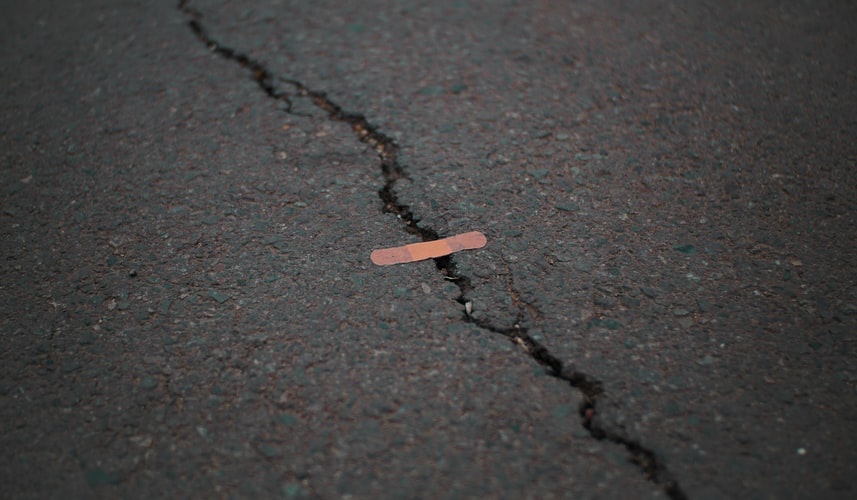
‘I can choose plasters in flesh colour and have them more or less match my skin.’  

How many of these things have we never even thought about? Have we taken completely for granted?  

We need to remove the blindfold.  

When I was growing up one of my cousins was an avid Michael Jackson fan. I have this fond memory of us dancing together in his living room to the song, ‘Black or white.’ Released in 1991, the single’s combination of great music and positive anti-racist message meant three weeks after release it had topped the Billboard Hot 100.   One would have thought that by 2020 the sentiment, ‘It don’t matter if you’re black or white’, would be true. Many of us have duped ourselves into believing that it is. But actually, it seems that in our unjust world whether you’re black or white does still seem to matter. A lot.  

So I’ve been thinking, what can I do? How do I authentically express that I am incensed by the tragic murder of George Floyd? How can I productively channel my anger towards this virus of racism that still pervades our human relationships and plagues society as a whole? How do I actually demonstrate that in my heart of hearts I truly believe that every life matters? That humans are all created inherently equal in the image of their Creator?

Image by Cooper Baumgartner

Because I believe that we need to do something more long-lasting and meaningful than a temporary profile picture or an angry emoji on a Facebook post. These gestures are good, but the Martin Luther Kings and Rosa Parks of history have shown us all too clearly that meaningful action is inherently a response that actually costs us something, that ‘hurts’ us in some way – whether that be our time, our tears, our nights’ sleep, our money, our freedom, or even our lives.  

How I choose to use my inherited privileges reflects who really matters to me, deep down. Myself, or those who are marginalised? It’s that simple.

To demonstrate the fact that all lives matter profoundly to me:

I choose to take off the blindfold of privilege.

I choose to seek understanding from those who have experienced racism first-hand.

I choose not to stay silent anymore.

I choose to do something that costs me something. 

Here are some possibilities I’ve committed to exploring personally:

  • Learn

To learn more. To try to understand the challenges people all around me are facing every day. To walk a mile in someone else’s shoes.  

  • Speak out

I can write a letter, sign a petition, or march peacefully when it’s an appropriate time to do so. At the same time, I can condemn violent demonstrations and victimisation of police, because this is wrong too.

  • Give

I can give my time, resources or finance to organisations and individuals directly involved in the fight against injustice.  

  • Teach

I can teach my children, who will one day enter every segment and stratum of society, that they can – and should – be a force for change. I can buy them story books that reflect and celebrate diversity. I can teach them about the injustices of history. I can model inclusivity.

  • Be consistent

I can stand against injustice of all kinds. I can consistently call out oppression when I see it, and I can check myself for any prejudice that might be lurking in my own heart.  

Choose to take off the blindfold

Choose to see.

Choose to respond.

Choose to act.

The problem of racism matters. The question is, how much does it matter to you?

H x
P.S Here’s some resource ideas if you want to explore this topic further :

  • The White Privilege Test (www.monitorracism.edu)
  • White Awake by Daniel Hill (book)
  • Scene on Radio – Season 2 “Seeing White” (podcast)
  • http://www.diversekidsbook.org.uk
Image by Ian Schneider on Unsplash

The Goldilocks guide to parenting

Most if not all of us will have heard the tale of a little girl named Goldilocks, who boldly makes herself at home in the cottage of a family of three bears. She eats their porridge, moving from the bowl that is scalding, to the one that’s too cold, then eventually finding the one that’s ‘just right.’ As she goes through the house, she tests out each chair, and even each bed, seeking out which is perfectly tailored to her needs.

Isn’t that a bit like parenting today? It’s as if parenthood is being sold by society as some kind of a fairytale story, where the aim is to get each element ‘just right.’ But one reason (among many!) as to why this perfection is ever elusive is that we are all continually swamped with well-meaning but contradictory advice from all directions.

So I thought I’d write you a little tongue-in-cheek poem, as a little reminder not to take ourselves quite as seriously as much of the time.

Image by Marina Shatskih on Unsplash

Modern parenthood is a myth, an elusive balancing act; 

A fairytale forest filled with fiction and sold to us as fact.

For around every corner and just beyond every bend,

You’ve got judges and experts (and the many who pretend!)

They’ve all got it sussed and they advise with delight – 

Not too much, not too little – you need to get it all ‘just right.’ 

From the moment you’re expecting, you must cherish every minute,

Even if you’re sick and tired and praying for the finish.

Don’t eat too much, but don’t lose weight – You must be round and glowing; 

Remember to eat healthy now, a baby you are growing!

After birth, take time out, but don’t dare hide away –

You need to rest up, but you should ask every visitor to stay. 

Don’t feel any pressure to tidy up your house,

But we’ll talk about you if you leave too much lying around.

Feed your baby yourself, but please not for too long 

For once they are toddlers, well that’s just plain ‘wrong.’

Dummies are fine for some soothing relief,

But not once they’re two, ‘cause it’s bad for their teeth!

Cuddles are well and good, but put them down to sleep,

Or goodness only knows what bad habits they will keep!

You’ll spoil them you see, their dependence don’t end;

They’ll be going to school and still sleep in your bed (gasp!!) 

Be flexible, look out for, and meet all your baby’s needs

Except, except for at night, when it’s for ‘attention,’ or ‘greed.’

You must play with your kid, but not all the time;

They need to know how to occupy their own mind.

Structure the day, but schedule in play 

Or they’ll certainly be anxious and depressive one day.

Put boundaries in place, but don’t show too much grace

Or one day they’ll throw it all back in your face.

Don’t be too soft, but don’t be too hard 

Don’t shout or scold, or for life they’ll be scarred.

Not too much sugar, not too much salt-

If they’re fussy or hyper it’ll be all your fault. 

You must cook them veggies, but don’t forget sweets;

They shouldn’t miss out on the occasional treat!

They’ll get ipads at school, but don’t use them at home 

Always know where they are – but don’t buy them a phone.

You know, I think there’s a reason why ‘Goldilocks’ ends 

With her waking up, screaming and running away. 

Because ‘just right’ all the time just isn’t real life;

It’s time we determined no longer to strive;

For the sooner we do the sooner we’ll find 

That our kids see our flaws and they really don’t mind.

What they need is our love, our care and our best;

Let’s not get too preoccupied with the rest. 

For there’s no ‘just right’ parent or child in the world

But there’s plenty of delicious moments yet to unfurl.

H x
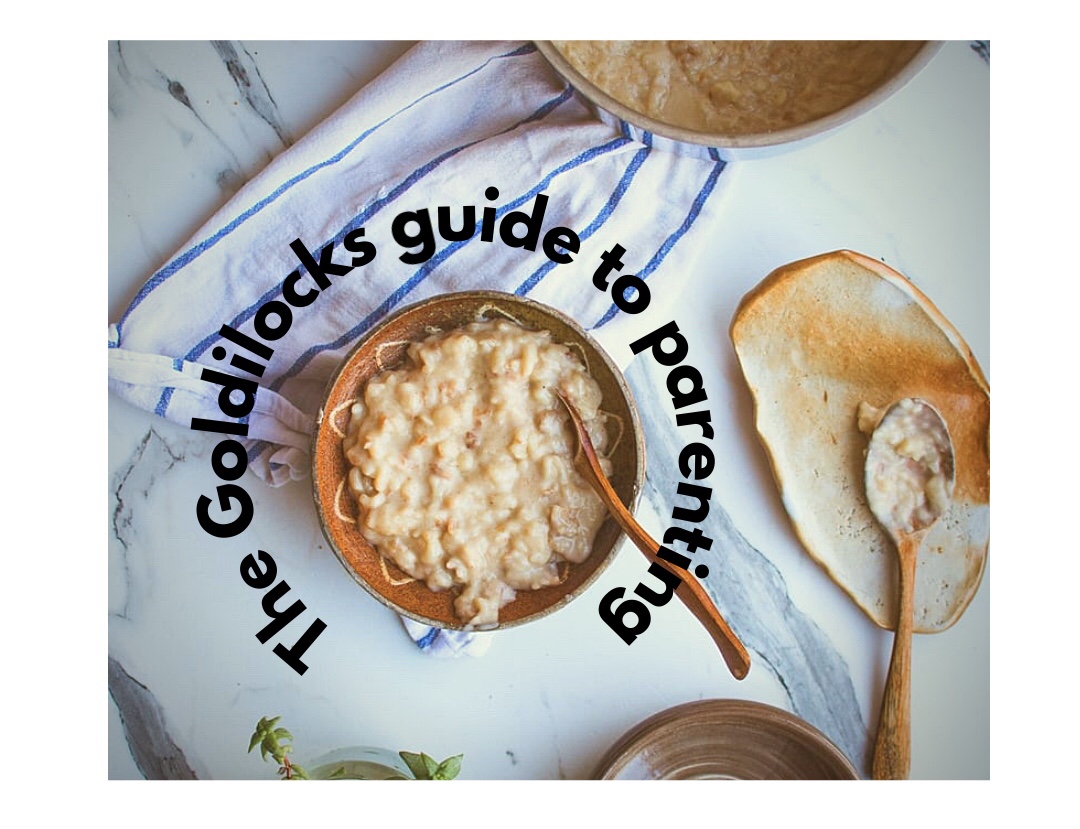
Image by Juliane Lieberman on Unsplash

Where the lost things go: walking the graveyard of grief

I took my girls on a sunny walk through Hillsborough village one afternoon. We had just completed a circuit around the beautiful old church in the village centre, when they suddenly ducked out of view. I darted after them through a quaint little archway that opened into the adjoining cemetery.

My two had never been in a graveyard before, so as you can imagine, they were full of questions. Zoe marvelled at every bouquet of flowers and at each engraved message glinting in the sun, while Eden chased after squirrels and studiously examined snails. Alongside their wonder and curiosity, I felt waves of solemnity and sadness wash over me, as I read the brief details of each life lived and lost.

As I wondered about the families each headstone represented, the awful moment when I watched my friend say goodbye to her precious dad came back to me in full force; the day my heart had felt like a pincushion and my knees had buckled with the force of her pain.

But I also remembered one of the most precious things someone said to me as I grieved our first baby lost through an ectopic pregnancy. ‘Your little one is not lost,’ they had assured me. ‘You are and always will be a mother. Just as God now holds your child safe in His capable hands, you will hold them safe in your memory until you meet again.’

Memory. A powerful thing, isn’t it? Sure, it can be a dark cave of smouldering secrets. But it is also a treasure trove of golden moments and shining faces.

One of my favourite children’s stories is ‘Paper Dolls’ by Julia Donaldson. It’s an enchanting tale of the adventures of a little girl’s homemade paper dolls. One day, a boy snips them into tiny pieces, convinced they are ‘gone forever.’ But instead they float into the little girl’s memory, along with other items she has ‘lost’ – including a butterfly hair slide and a ‘kind granny.’

I still remember beautiful little details about three of my grandparents who are now in heaven. Soft-hearted Nan, with her gentle nature and fine collection of silver spoons; fastidious Grandad Saunders, who taught me how to paint woodwork and plait hair, and generous Grandad Best who made the best kites and sang hearty hymns with us around the piano.

There’s a profound scene in the latest Mary Poppins film, where Mary Poppins sings this lullaby over the Banks children, who are missing their late mum.

‘Memories you’ve shed
Gone for good you feared
They’re all around you still
Though they’ve disappeared
Nothing’s really left
Or lost without a trace
Nothing’s gone forever
Only out of place.’

Why not take a moment today to reminisce? As you walk the graveyard of grief, it will bring up sadness and sorrow. But it will also uncover new joy and wonder, as you study the memories all around you, explore old photographs and letters, marvel at the good times and chase fading recollections of family occasions.

The walk of grief is laughter and tears, comfort and pain, past, present and future all rolled into one. But that does not change the fact that the legacy of our loved ones is all around us. Their memory is always present in our hearts and minds.

Loss is never ‘gone for good’

or ‘left without a trace.’

There are footprints on our hearts and lives

and memories with a face.

H. x

Tomato on toast and other marital tales

My hubby has a few idiosyncrasies (Let’s face it, don’t we all!)

For someone who is extremely adaptable and loves to learn new skills, Let’s just say he likes certain things done a particular way. 

Take his favourite supper – tomato on toast – for example.

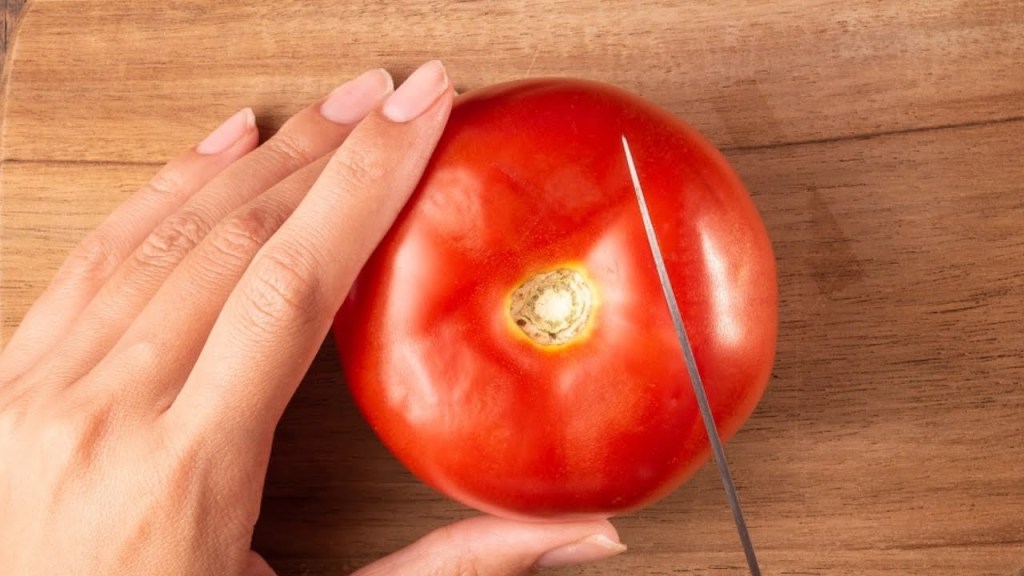
Every one I know cuts tomatoes like this.

Image by Wilfred Wong on Unsplash

But in his world, everyone should cut tomatoes like this (and those who don’t obviously just don’t know the right way yet.)

Then there’s the toast itself. It has to be buttered right away. And I mean immediately. If the toaster pops and you run to the drawer to grab a knife, you’ve missed the window. 

Im proud to say I’ve finally mastered the technique. At the first whisper of the pop, you pounce on the toast like it’s your prey and lather it with butter before it has the chance to lie thick on top. Soaked in my friends, it must be soaked in.

And here’s the ultimate toast test. Once buttered, Does that bread bend? If not, and it breaks in half, you’re doomed to witness a crestfallen expression and a drawn breath of disappointment. If it pleases his majesty, there’s a beaming smile and a sigh of satisfaction. 

Every time Bill asks me to make him tomato on toast, I have a wee chuckle to myself. I used to get exasperated; I’d take toast whatever way it comes. But ten years of marriage has changed that. We all have the little things that mean a lot when people do them for us. The things that make us feel cherished, valued and important. 

Image by Elly Johnson on Unsplash

Maybe you’re like me and an unexpected home-made meal or an extra hour in bed means the world. 

Perhaps it’s a bowl of steaming hot porridge made with love each morning. 

It could be someone offering to pay for your lunch. 

Or a friend thoughtfully remembering about that job interview and asking how it went. 

A word of encouragement and support when you do something out of your comfort zone might be your greatest gift. 

Why not ask your family, your friends and your spouse what little things make them feel the most loved? And when you find out, commit to doing those things for a week? You might just see that person come all the more alive when they feel cherished by you. 

I know I’ll be making tomato on toast Bill’s way for many more years to come. Just because sometimes the little things really are the big things.

To love and to cherish, from this day forward. 

H x
Image by Jamie Street on Unsplash